
A steering rack boot protects the rack and inner joint from water, dust and road debris. A boot that looks similar may still be unsuitable if its mounting diameters, length or material do not match the rack application.
Related steering rack boot products
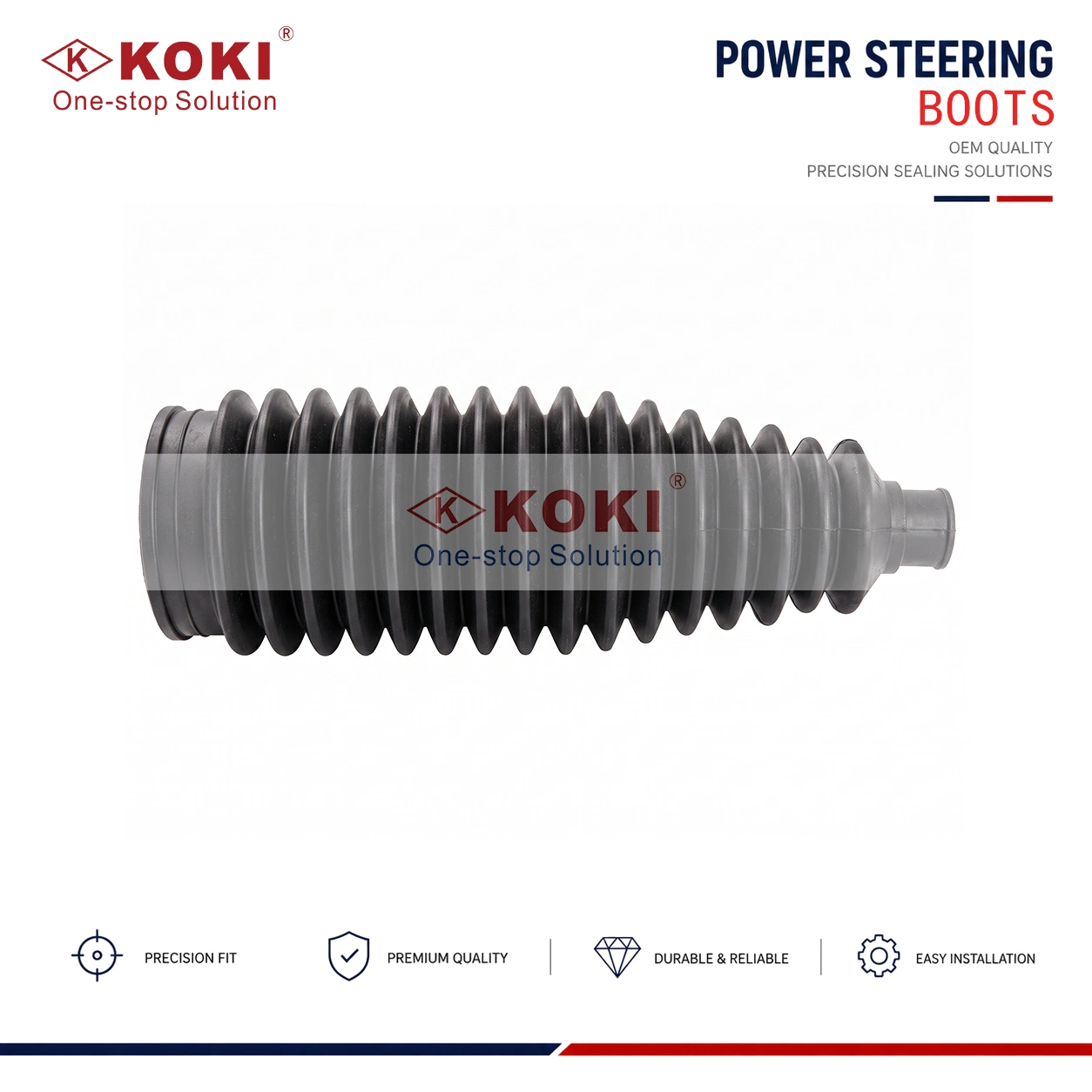
Steering Rack Boot
OEM BJS7-32-12X
15 × 49 × 188
View product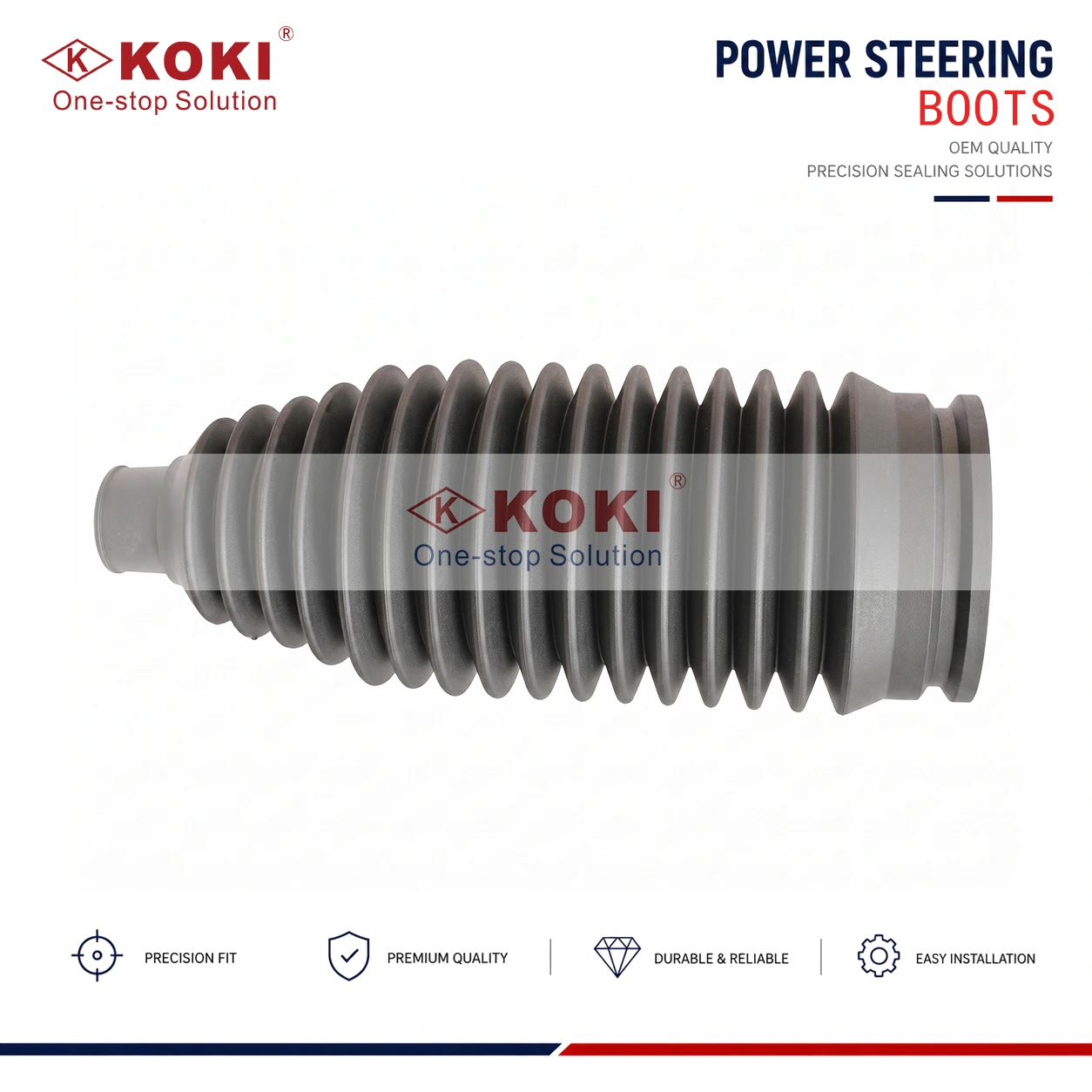
Steering Rack Boot
OEM 45535-49025
15 × 49 × 156
View product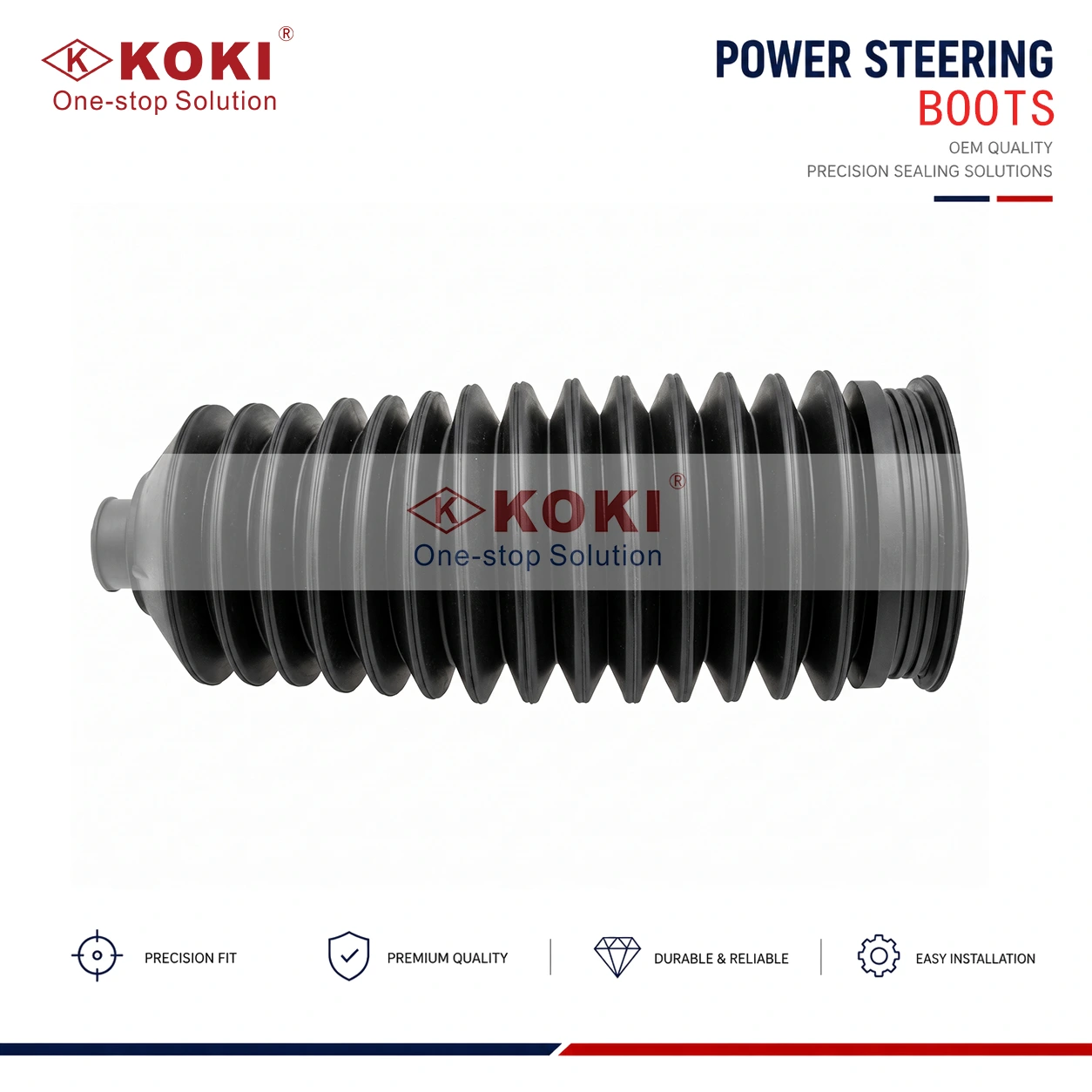
Steering Rack Boot
OEM 45535-05020
13 × 49 × 166
View product1. Use the OEM reference as the first filter
An OEM number is the fastest route to an initial match. It should still be checked against the vehicle application and physical sample because catalog numbers can have market, production-year or steering-system variations.
2. Measure both ends and the working length
Provide the small-end diameter, large-end diameter and free length. Include the original boot shape and whether the part uses a clamp, wire ring or a molded retention feature. Photos next to a ruler are especially useful when a drawing is unavailable.
3. Check material and operating environment
Boot material must remain flexible while resisting road splash, oil exposure and repeated steering movement. The supplier should confirm the requested material against the application rather than assume that every rack uses the same compound.
4. Build a quotation-ready request
- OEM reference and vehicle application
- Small-end diameter, large-end diameter and length
- Sample photos or a physical sample
- Requested material and packaging requirements
- MOQ and delivery destination
Clear input reduces the risk of selecting a boot that fits one end but fails to seal or travel correctly. Review Steering Rack Boots or send KOKI your reference and dimensions.
Keywords: steering rack boot selection, steering bellows OEM number, rack boot dimensions, steering rack dust cover supplier